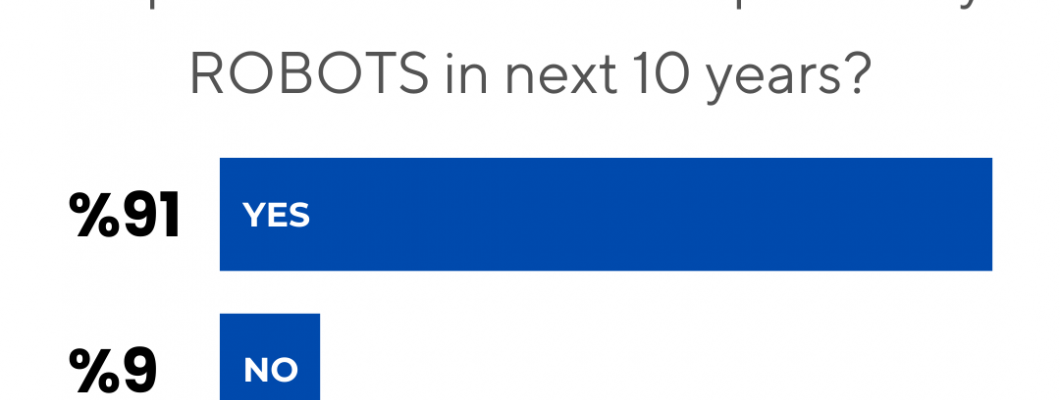
In a recent poll conducted by the Global Robot Marketplace, an overwhelming 91% of respondents expressed confidence that repetitive tasks will be automated by robots within the next 10 years. This highlights a growing consensus within the industry and beyond about the transformative potential of robotics in shaping the future of work.
The Rise of Robotics in Automation
The accelerating pace of technological advancements in robotics, artificial intelligence (AI), and machine learning has already begun to replace mundane, repetitive tasks across industries. Manufacturing, logistics, and even healthcare have embraced automation to improve efficiency, reduce costs, and enhance precision. For example:
- Manufacturing: Robots are now a staple in assembly lines, handling repetitive jobs such as welding, painting, and packaging.
- Retail and Logistics: Warehouses leverage autonomous robots for inventory management, sorting, and delivery optimization.
- Healthcare: Robotic process automation (RPA) supports administrative tasks like patient data entry, freeing healthcare workers to focus on direct patient care.
Why Are Robots Becoming the Go-To Solution?
Several factors drive the integration of robotics into repetitive workflows:
- Cost-Effectiveness: Robots reduce operational costs over time by minimizing errors and improving productivity.
- Precision and Consistency: Unlike humans, robots do not tire or lose focus, ensuring consistent performance.
- Labor Market Shifts: Many industries face labor shortages for repetitive, low-skill jobs. Robots fill these gaps efficiently.
The 9% Skeptics: What Holds Them Back?
Despite the optimism, 9% of respondents expressed doubt. Skepticism may stem from:
- Concerns about job displacement and its societal impacts.
- High upfront investment costs for small businesses.
- Technological limitations in handling complex, nuanced tasks.
- Resistance to change in industries where traditional workflows dominate.
Preparing for the Robotics Era
As the transition to automation accelerates, individuals and organizations must prepare for this shift. Upskilling in areas such as robotics programming, AI development, and systems integration will be critical. Furthermore, businesses need to rethink workforce strategies to balance automation with human roles, focusing on creativity, problem-solving, and interpersonal skills that robots cannot replicate.
Conclusion: An Automated Tomorrow
The findings from the Global Robot Marketplace poll signal an undeniable trend: robots are poised to take on a larger role in our daily lives. The next decade will likely witness profound changes as technology redefines how repetitive tasks are handled across sectors. Whether you're a believer or a skeptic, one thing is clear adaptation will be the key to thriving in this new era.