

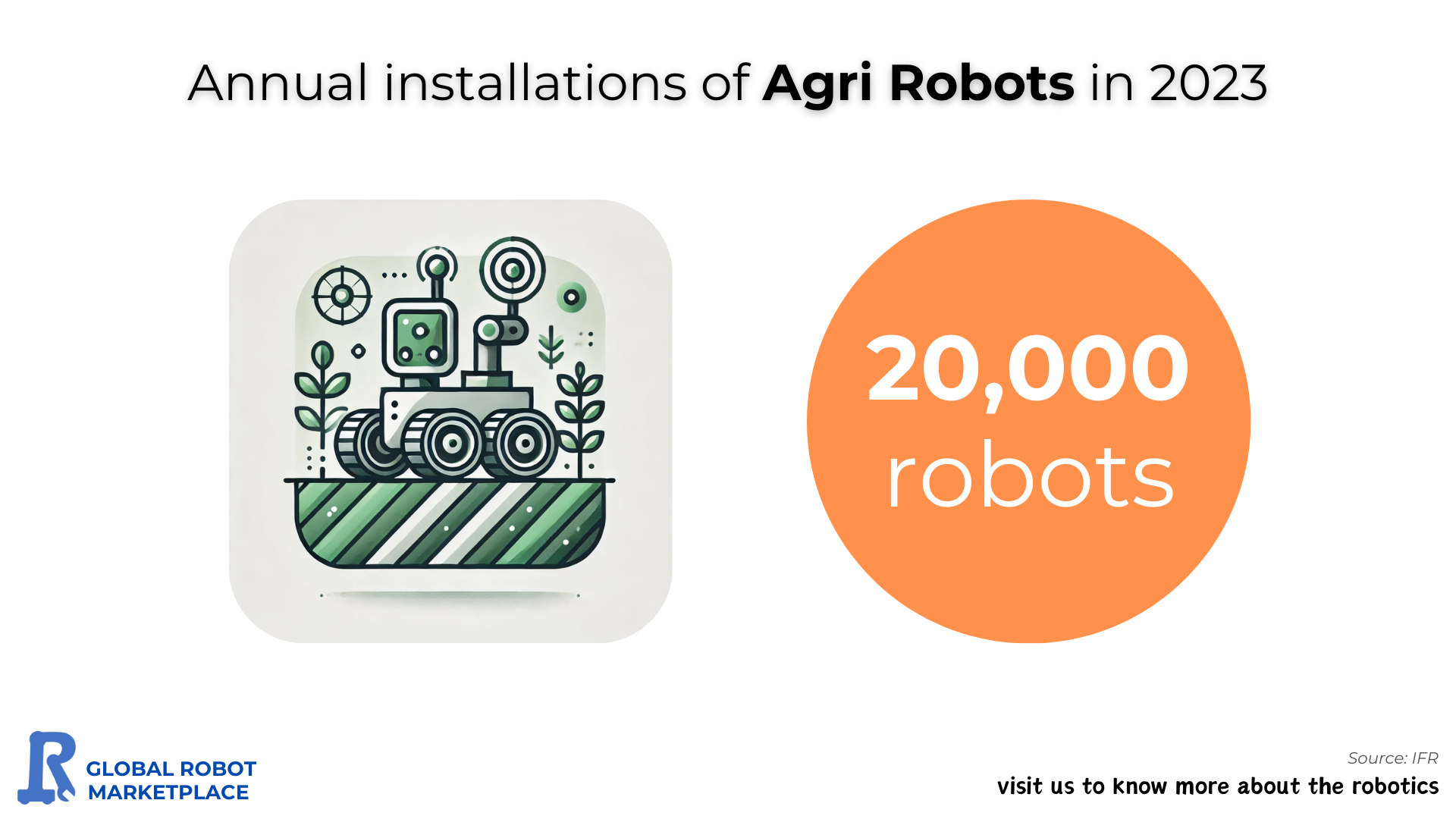
In 2023, the agricultural industry witnessed a significant transformation with the annual installation of 20,000 agricultural robots (agri robots), marking a milestone in the integration of robotics and artificial intelligence into farming practices. As global agricultural demands increase and the need for more sustainable practices becomes ever more urgent, agri robots offer promising solutions for improving productivity, enhancing efficiency, and reducing human labor in farming. This article explores the implications of this innovation, the types of agri robots in use, and the future of agriculture as robots become more prevalent in fields across the globe.
The Rise of Agricultural Robots
The agricultural sector has traditionally relied heavily on human labor and manual processes, which can be inefficient, physically demanding, and time-consuming. However, the development of agricultural robots marks a crucial step toward overcoming these challenges. These robots are designed to carry out a variety of tasks, from planting and harvesting crops to monitoring plant health and optimizing irrigation systems. Their increasing presence in fields around the world has the potential to revolutionize farming by making it smarter, more sustainable, and less reliant on human intervention.
In 2023 alone, 20,000 new agricultural robots were installed, a figure that reflects the growing acceptance and implementation of automation in agriculture. This surge in installations is driven by technological advancements, increased investment in agricultural technology, and the pressing need to address labor shortages in many farming communities.
What Are Agricultural Robots?
Agricultural robots, also known as agri robots, are automated machines designed to assist with various farming tasks. They are equipped with advanced sensors, cameras, and artificial intelligence (AI) algorithms that allow them to perform tasks autonomously. These robots are highly specialized, with each type focusing on specific aspects of farming. Some of the most common tasks they perform include:
- Planting and Seeding: Agri robots are equipped with advanced planting systems that can plant seeds with great precision, ensuring optimal growth conditions.
- Harvesting: Robots can autonomously harvest crops such as fruits, vegetables, and grains. They use AI and robotic arms to carefully pick produce without damaging it.
- Crop Monitoring: Equipped with high-tech sensors, agricultural robots can monitor crop health, detect pests, and identify diseases at an early stage. This allows for more targeted interventions, reducing the need for pesticides and fertilizers.
- Weeding and Pest Control: Robots can also be programmed to identify and remove weeds or apply pesticides only where necessary, minimizing the impact on the environment.
- Soil and Irrigation Management: Agri robots can assess soil conditions, manage irrigation, and ensure that crops receive the right amount of water and nutrients.
These robots are typically mobile and autonomous, which means they can operate without direct human control, making them highly efficient in covering large areas of farmland.
The Benefits of Agricultural Robots
The widespread installation of 20,000 agricultural robots in 2023 highlights the growing recognition of their benefits. Some of the most significant advantages of using agri robots include:
Increased Efficiency: Agri robots can work around the clock, performing tasks faster and more accurately than humans. This leads to significant improvements in productivity, as robots can cover large areas of farmland without the need for rest breaks.
Reduced Labor Costs: With labor shortages being a growing concern in many farming regions, robots offer a viable solution by reducing the reliance on human workers for physically demanding tasks. This can help lower labor costs and ensure that farming operations run smoothly.
Sustainability: Robots are designed to operate with precision, which allows for more sustainable farming practices. For instance, robots can apply fertilizers and pesticides only where needed, minimizing their environmental impact. They also contribute to water conservation by efficiently managing irrigation systems.
Improved Crop Yields: By monitoring crops and adjusting conditions in real-time, agri robots can help maximize yields while minimizing the use of resources. This can help farmers produce more food using fewer inputs, a critical factor in addressing global food security challenges.
Data Collection and Analysis: Agricultural robots are equipped with advanced sensors and AI, which allow them to collect vast amounts of data on crop health, soil conditions, and environmental factors. This data can be analyzed to make better-informed decisions, improving farming strategies and productivity.
The Future of Agriculture with Robotics
The installation of 20,000 agricultural robots in 2023 represents just the beginning of the robotics revolution in farming. As technology continues to advance, the capabilities of these robots will expand, enabling them to take on even more complex tasks. Here are some trends we can expect in the future of agriculture:
Wider Adoption Across the Globe: As the cost of agricultural robots decreases and their capabilities improve, it is likely that we will see more widespread adoption across different regions. While large-scale commercial farms have led the way, small and medium-sized farms will also begin to embrace this technology.
Integration with AI and Machine Learning: As artificial intelligence continues to evolve, agricultural robots will become even more intelligent. They will be able to make real-time decisions based on changing environmental factors, optimizing farming practices on the go.
Collaboration with Human Workers: Rather than replacing human workers entirely, robots will complement human labor, taking over repetitive and physically demanding tasks while leaving more complex and creative work to humans. This collaborative approach will help farms become more efficient while still retaining the human touch.
Greater Focus on Sustainability: In response to the growing concerns over climate change and environmental degradation, the future of agriculture will prioritize sustainability. Agri robots will play a critical role in promoting sustainable farming practices, such as precision farming, reduced pesticide use, and better resource management.
Smart Farms and IoT Integration: The future of agriculture will likely see the rise of smart farms, where robots, sensors, and IoT devices work in harmony to optimize every aspect of farming. These connected systems will enable farmers to monitor and control their operations from anywhere, improving efficiency and reducing waste.
Conclusion
The installation of 20,000 agricultural robots in 2023 marks a transformative moment for the agricultural sector. These robots are not just a technological innovation—they represent the future of farming, offering a smarter, more efficient, and sustainable way to produce food. As the industry continues to embrace automation, we can expect agri robots to become an integral part of global farming practices, driving improvements in productivity, sustainability, and food security for generations to come.
By investing in agricultural robots, farmers are not only improving their operations but also helping shape a future where technology and nature work together to meet the challenges of tomorrow.